IKEA – Laget for livet
Graphic design / Campaign
About the project
IKEA is an international retail company that develops and sells furniture and home furnishing solutions with a focus on functionality, design, sustainability and affordability. The company is known for efficient logistics, customer service and strong core values rooted in simplicity and cost-consciousness.
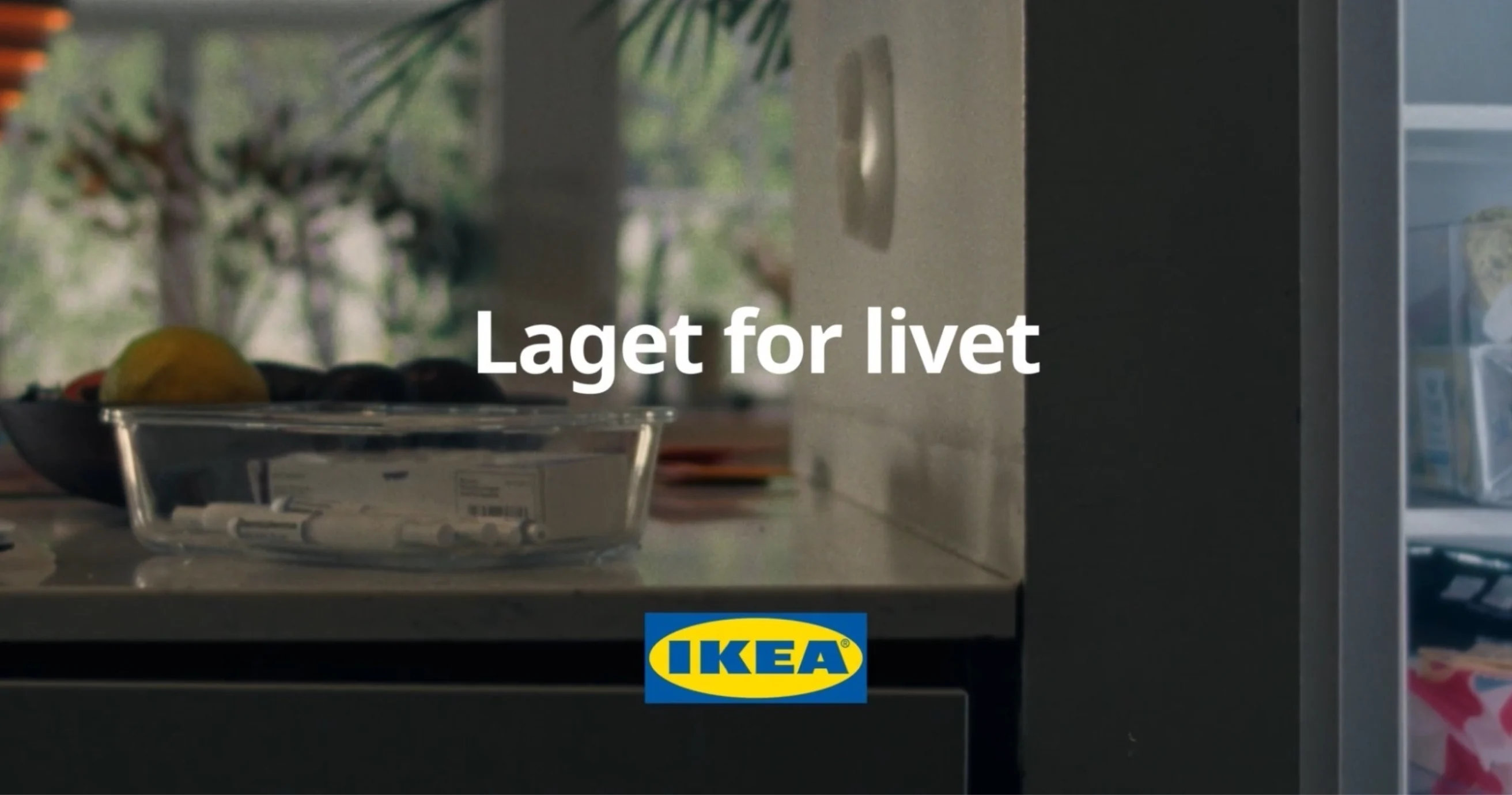
In a new campaign, IKEA shows how its products play a role in people’s lives, for better and for worse. Through a series of short stories, the furniture giant addresses painful subjects such as childlessness, infidelity and dementia, but also student life, parties and everyday life with picky toddlers.
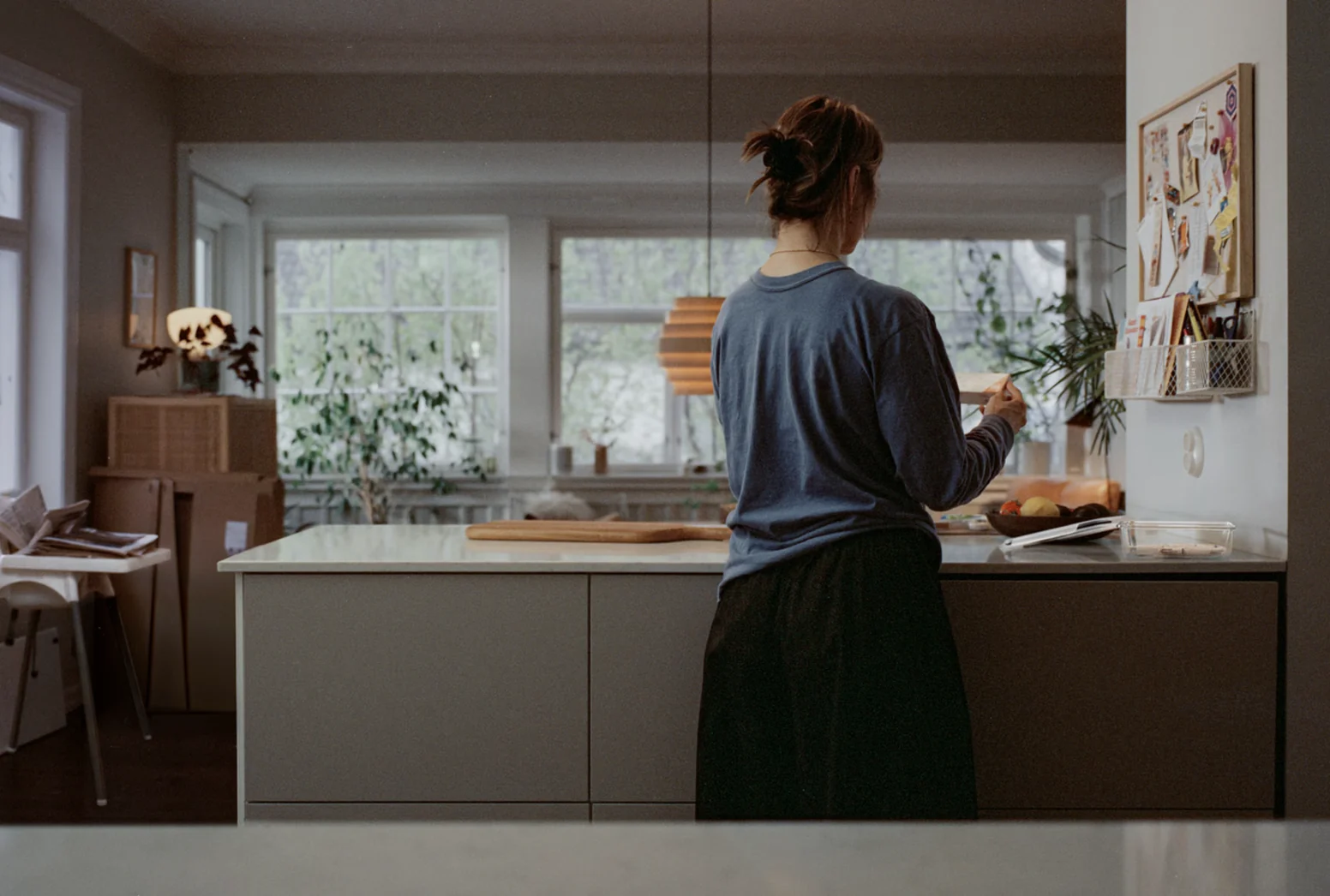
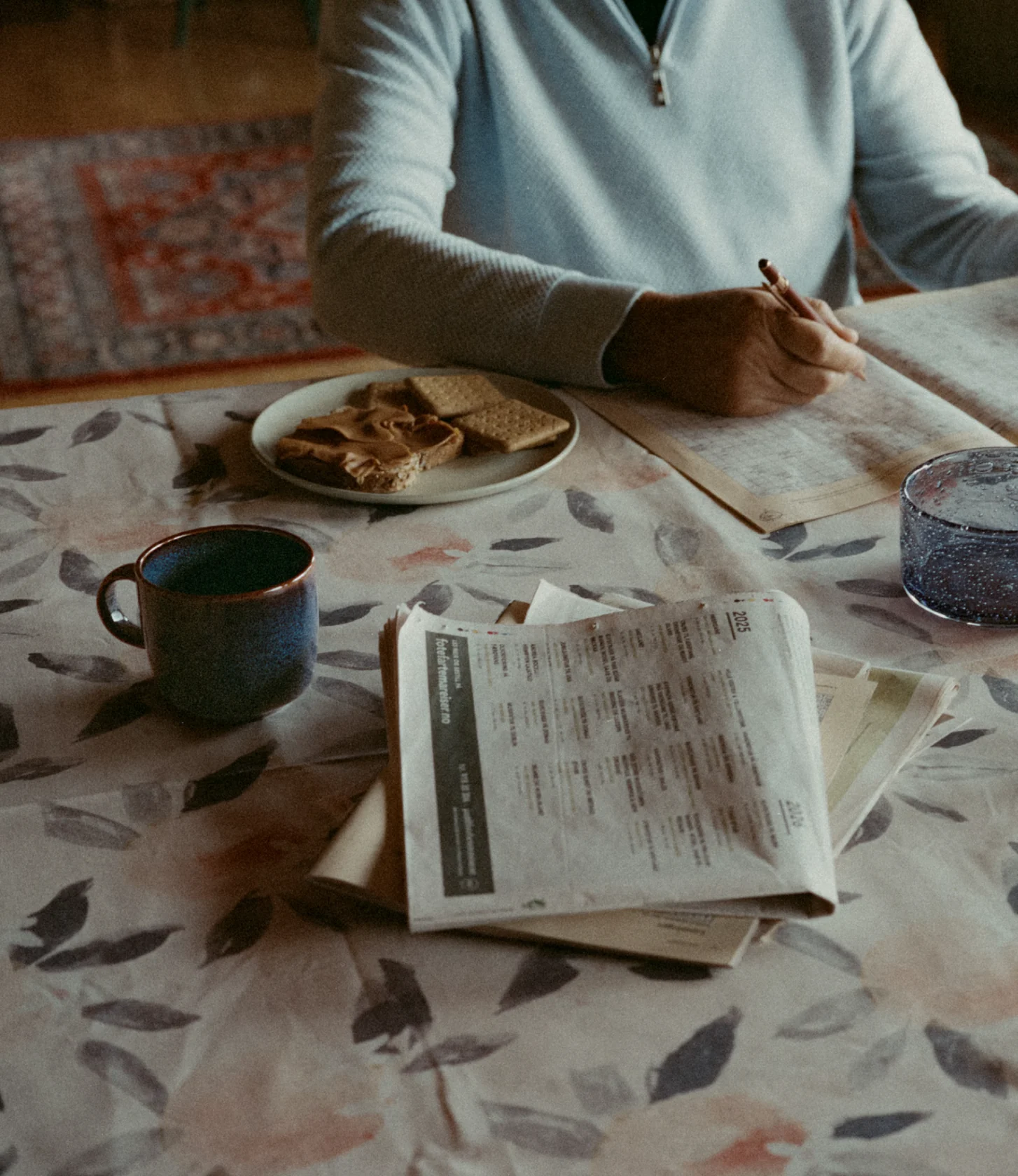
It’s not about perfect homes, but about real life. I was responsible for managing and further developing the brand across an extensive campaign rolled out over multiple channels, including TV, cinema, outdoor, print and digital. The work required close follow-up to ensure a cohesive and consistent brand experience across formats, media and audiences.
A key part of my role was translating the creative concepts into solutions that met the campaign’s strategic goals while strengthening the brand’s visual and communicative expression. I helped ensure quality and coherence throughout the process, from concept development and production to final delivery in each channel.
From a graphic design perspective, the challenge was to create a visual system flexible enough to carry stories with very different emotional tones, from grief and loss to humour and chaos, while still feeling unmistakably IKEA. I worked with typography, layout, colour and image treatment to establish clear rules that held the campaign together, but left enough room for each story to breathe. Restraint was essential: when the subject matter is sensitive, the design has to support the story rather than compete with it.
I approached the campaign as a series of touchpoints people encounter in very different situations, whether fully immersed in a cinema seat, glancing at a poster on the way to work, or scrolling past on a phone. Each format demanded its own hierarchy and pacing, so the message would be understood in the time and attention available. The goal was for the audience to recognise both the brand and themselves, regardless of where they met the campaign.
To succeed, it was crucial to establish an open and constructive dialogue across disciplines. I worked closely with creative teams, designers, copywriters, developers and other stakeholders to build a shared understanding of goals, priorities and solutions. This led to efficient workflows, well-anchored design decisions and high-quality final deliverables.